Did you know that nearly one in four households in the UK have already experienced the stress of frozen pipes? It’s a sobering thought, especially when you consider that the average insurance claim for water damage reached a staggering £12,791 in 2022. As a local plumber serving West Sussex, I’ve seen first-hand how a single cold snap can turn a peaceful family home into a chaotic building site. You likely worry about the eye-watering cost of repairs, or perhaps you’re unsure where your stopcock is even located. It’s completely normal to feel a bit overwhelmed by the technical side of home maintenance when the temperature starts to drop.
I agree that keeping your property safe during a Sussex winter shouldn’t feel like a guessing game. This guide promises to give you the professional plumbing tips you need to protect your home and gain total confidence in your own winter defences. We’ll walk through exactly which pipes need lagging, how to locate your main water shut-off, and why a few simple adjustments can lead to lower energy bills and a burst-free winter.
Why Pipes Freeze and the Hidden Risks to Your West Sussex Home
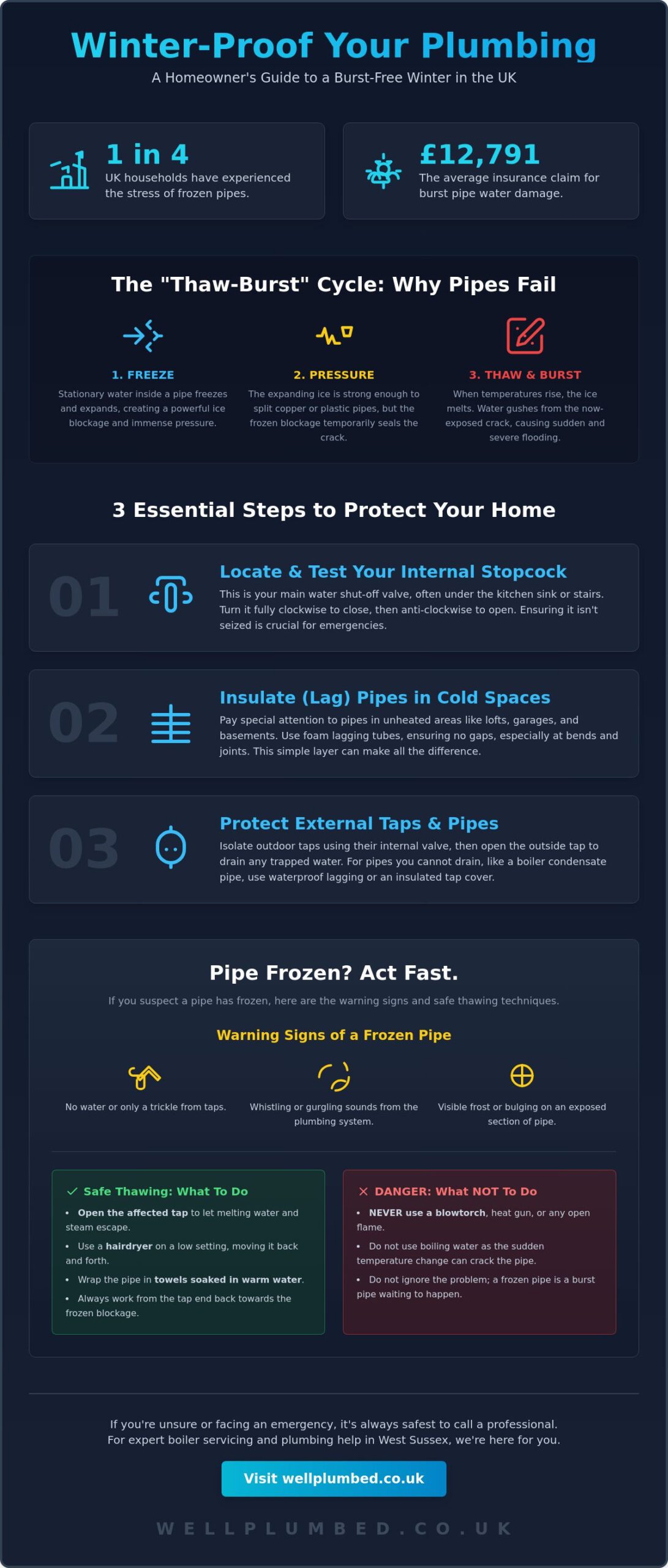
Why do pipes burst? It isn’t just the cold; it’s the physics. A frozen pipe is a blockage of ice that creates immense pressure within the plumbing system. When temperatures drop, the water inside stays still and begins to solidify. You might be surprised to learn why water expands when it freezes, but this expansion is powerful enough to split copper and plastic alike. As a local plumber, I often find that the real trouble starts during the thaw. This is the “thaw-burst” cycle, where the ice melts and reveals cracks that were previously sealed by the frozen blockage. This often leads to sudden, heavy flooding when you least expect it.
Our West Sussex architecture presents unique challenges that can’t be ignored. In the historic streets of Chichester, many older properties have unheated lofts where pipework sits exposed to the elements without modern insulation. Meanwhile, homes in Bognor Regis often have external pipes that face the brunt of the sea air. These areas are high-risk zones where internal temperatures can drop much faster than in more modern, sheltered buildings. Identifying these vulnerable spots is the first step toward protecting your property.
The Condensate Pipe: Your Boiler’s Winter Weak Point
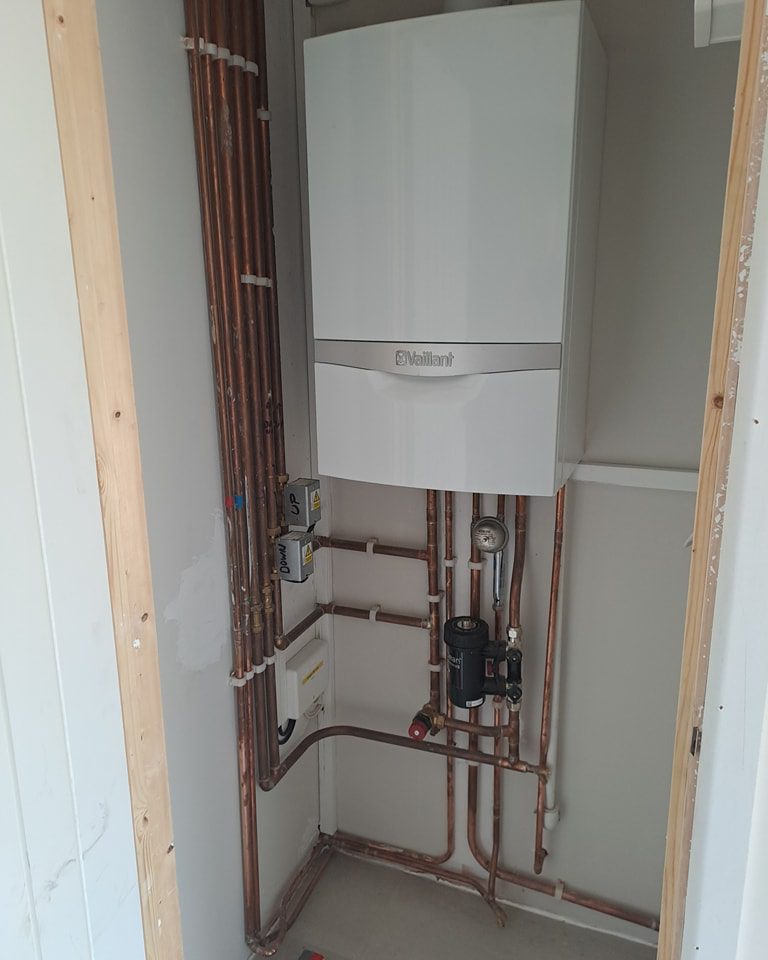
Modern boilers, like those from Vaillant or Baxi, are incredibly efficient, but they have one specific vulnerability: the condensate pipe. This is the small white plastic pipe you’ll see exiting your external wall. Because it carries a slow trickle of water, it’s often the first thing to freeze during a cold snap. If this happens, your boiler will enter a fault mode and shut down to protect itself, leaving you without heating or hot water. If you’ve had a recent Expert Boiler Installation in Bognor Regis: The Homeowner’s 2026 Guide, your installer likely lagged this pipe, but it’s always worth a quick visual check before the frost arrives. Should your boiler develop a fault during the cold months, understanding your options for professional boiler repair in West Sussex can help you act quickly and avoid being left without heat.
Coastal Damp and Temperature Drops
Living near the coast brings a specific type of dampness that affects your home’s thermal behaviour. High humidity can actually accelerate how quickly your external pipes cool down. Wind chill is another major factor; a steady sea breeze can strip heat away from an uninsulated pipe far quicker than still air in an inland village. It’s these local factors that make West Sussex plumbing unique, and why a generic approach to winter prep isn’t always enough to keep your home safe.
A Step-by-Step Guide to Winter-Proofing Your Plumbing
Preparing your home for the freeze is a straightforward task that doesn’t require a professional plumber for the basics. To get started, you will need a few simple supplies: foam lagging, gaffer tape, and outdoor tap covers. These materials are inexpensive and easy to find at local hardware stores. Having them ready before the first frost makes the whole process much simpler and ensures you aren’t caught out by a sudden temperature drop.
Step 1: Locating and Testing Your Internal Stopcock
In our local West Sussex properties, the stopcock is usually tucked under the kitchen sink, in the hallway, or under the stairs. It is essential to perform a “stopcock test” now. Turn the handle clockwise to close it and anti-clockwise to open it again. This ensures the valve hasn’t seized, so you can act fast if a pipe does fail. Knowing you can shut off the water in seconds provides immense peace of mind during a storm.
While domestic stopcocks are straightforward, the technical requirements for isolation in industrial sectors like oil and gas are far more complex. For a deeper look at professional standards, OG VALVES LTD. provides a technical guide to selection and performance for industrial isolation valves.
Step 2: Lagging Pipes in Unheated Spaces
Lofts and garages are the most common sites for frozen pipes because they aren’t part of your home’s heated envelope. Measure the diameter of your pipes and fit matching foam tubes over them. Secure the sections with gaffer tape, paying close attention to joints and bends. Leaving even a small gap allows cold air to reach the pipe, which defeats the purpose of the insulation. A well-insulated pipe can withstand much lower temperatures before the water inside begins to turn to ice.
Step 3: Protecting External Taps and Outbuildings
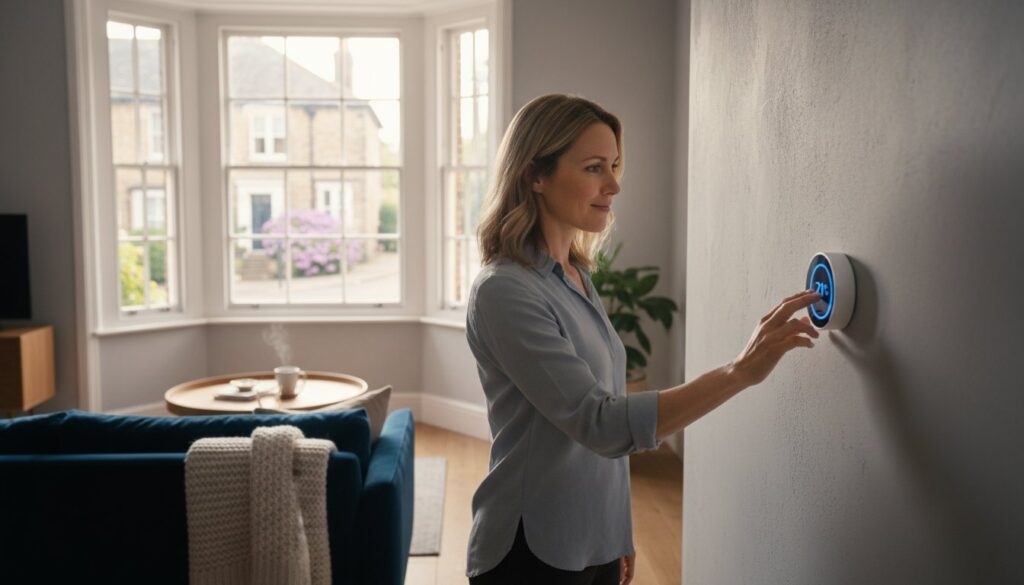
The best way to protect garden taps is the “isolate and drain” method. Close the internal valve leading to the tap and then open the outside tap to let the remaining water out. If you cannot isolate the supply, use a thermal “sock” or cover to provide a layer of protection. If you are heading away for the holidays, use your smart heating controls to maintain a minimum “frost protection” temperature. Learning how to thaw frozen pipes safely is a great backup plan, but prevention is always the better path. Ensuring your system is balanced also helps, as it guarantees heat reaches every radiator amongst your rooms. If you need help with your setup, an Annual Boiler Servicing visit is a great time to ask for a quick demonstration of your controls.
Recognising Frozen Pipes and Knowing When to Call a Plumber
How do you know if your pipes have actually frozen? The signs are often subtle before they become serious. You might notice a complete lack of water from your taps, or perhaps just a faint whistling sound when you try to turn them on. In some cases, you might even see a visible bulge in a copper pipe where the ice has expanded. If you spot these indicators, it is time to act quickly to prevent the average £213.40 repair bill that often follows a freeze. Taking a moment to double-check your loft and garage can save you from the stress of a major insurance claim later on.
Safe Thawing Techniques for Homeowners
If you find a frozen section, you can often resolve it yourself using gentle heat. Always start by opening the affected tap; this allows steam and water to escape as the ice melts. Use a hairdryer on a low setting or wrap the pipe in towels soaked in warm water. You should never use a blowtorch or any open flame, as this can damage the pipe or even start a fire. Working from the tap end back towards the frozen area is the safest method for winter-proofing your pipes during a cold snap. This logical approach ensures that pressure doesn’t build up behind the ice blockage.
When Professional Help is Essential
There are times when a DIY fix is simply too risky. If you cannot locate the frozen section or if the pipe is hidden behind a wall, it is best to call a professional plumber. Attempting to thaw a pipe that has already split will lead to an immediate flood the moment the ice melts. In West Sussex, where older properties often have complex layouts, professional expertise ensures the job is done safely without causing further damage to your home. If a freeze has also affected your heating system, you may need a trusted specialist for boiler repair in Bognor Regis to restore your heating quickly and safely.
At WellPlumbed, we pride ourselves on being a dependable and honest presence for our neighbors in Chichester and Bognor Regis. We believe in straightforward guidance rather than high-pressure sales. If you are unsure about the state of your plumbing or need assistance with a winter emergency, you can speak directly with Ben for honest, local plumbing advice in West Sussex. We are here to ensure your home remains a safe and comfortable sanctuary, no matter how low the temperature drops amongst the coastal winds.
Secure Your Home Against the Winter Freeze
Winter-proofing your West Sussex home doesn’t have to be a stressful or complicated task. By understanding how the “thaw-burst” cycle works and taking simple steps like lagging your loft pipes, you can prevent the devastating water damage that affects one in four UK households. Remember that your condensate pipe is often the first point of failure for modern boilers; a quick check now can save you from a cold house during the next snap.
If you’d prefer the peace of mind that comes with a professional inspection, I’m here to help. As a plumber who has been serving Bognor Regis and Chichester since 2008, I focus on providing honest, dependable guidance without any high-pressure sales tactics. We are Heat Geek Verified, which means we prioritise maximum efficiency for your system whilst keeping your family comfortable. You’ll always deal directly with me, the business owner, ensuring personal accountability for every job. For those looking to further enhance their home’s efficiency with sustainable power, Jelvis is a fellow local specialist providing excellent renewable energy solutions across the region. If you’re considering upgrading your heating system entirely, find out how West Sussex homeowners can claim the heat pump grant West Sussex residents are eligible for in 2026 to help fund a more efficient alternative.
Book a winter plumbing health check with WellPlumbed today to ensure your home is fully prepared for whatever the Sussex weather brings. Stay warm and safe this season.
Frequently Asked Questions
Where is my stopcock usually located in a UK home?
In most West Sussex homes, your internal stopcock is found under the kitchen sink. If it isn’t there, you should check the hallway, under the stairs, or in a utility room. It’s a good idea to locate it now so you don’t have to search for it whilst water is pouring through your ceiling during an emergency.
Can I leave my heating off whilst I am on holiday in the winter?
You should never leave your heating completely off during the winter months. Instead, set your thermostat to a “frost protection” level, typically around 12°C to 15°C. This ensures the water in your pipes stays above freezing point. Modern smart heating controls make this easy to manage from your phone whilst you are away.
What should I do if a pipe has already burst?
Turn off your main stopcock immediately to stop the flow of water into your home. Once the supply is off, open all your cold taps to drain the remaining water from the system and switch off your boiler. You should then contact a professional plumber to assess the damage and carry out a safe, permanent repair.
How much does a plumber charge to fix a frozen pipe in 2026?
The cost to repair a frozen or burst pipe depends on the extent of the damage and how easy the pipe is to access. Whilst industry averages exist, you should always check for a professional who offers transparent, honest pricing before they begin. A dependable local expert will explain the work required and provide a clear breakdown of the costs involved.
Is it safe to use a blowtorch to thaw my pipes?
No, you must never use a blowtorch or any open flame to thaw a frozen pipe. This creates a significant fire risk and the extreme heat can cause the pipe to expand too quickly and shatter. Stick to safer methods like a hairdryer on a low setting or wrapping the pipe in towels soaked in warm water.
Will my home insurance cover damage from frozen pipes?
Most standard home insurance policies cover “escape of water” caused by burst pipes, but it is essential to check your small print. Some insurers require you to maintain a minimum temperature in the property or prove that pipes in unheated areas were properly lagged. Taking preventative steps now is the best way to ensure your claim is successful if the worst happens.